















When people start looking beyond Foxhire EOR, it’s rarely because the platform is “bad.” It usually comes down to fit. Foxhire works well for a certain team size and hiring stage, but as your workforce spreads across more countries, the details of compliance, benefits, and payroll start to become more complicated.
Finance teams begin asking more precise questions, employees request local perks, and HR wants smoother onboarding. That’s when it makes sense to pause and reconsider whether your current EOR is still the right match.
How to choose the right alternative to Foxhire EOR
Before comparing alternatives, it helps to clarify why you’re exploring options. Vague reasoning like “we just want something better” can make the process confusing. Teams that make good decisions usually have one or two concrete drivers. Perhaps costs are starting to feel unpredictable.
Maybe support is stretched thin in newer markets. Or your current setup doesn’t line up well with how HR and finance handle day-to-day operations.
Country coverage is often the first thing companies check, but depth matters more than breadth. Hiring in Brazil, Spain, or Germany? You want to know who handles contracts, how benefits are sourced, and who answers questions when local rules shift, not just whether the country exists on a coverage map.
Another factor is how much control you need. Some alternatives are very platform-driven: fast, standardized, and low-touch. Others involve local teams at every step. Neither approach is universally better.
For standard roles, speed may matter most. For senior positions, complex benefits, or regulated industries, hands-on support usually pays off.
Choosing between Foxhire and its alternatives
Your growth stage often dictates the choice. Foxhire is convenient when hiring the first few international employees quickly, without internal HR processes. Its simplicity is a real advantage early on.
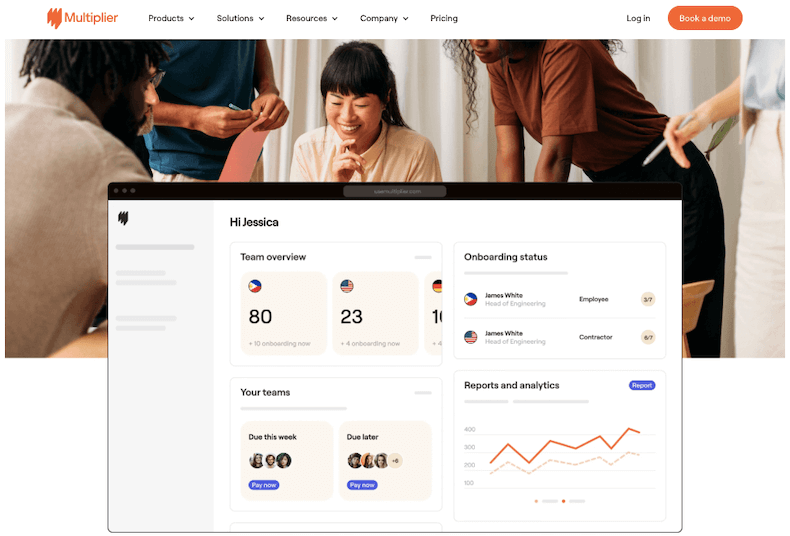
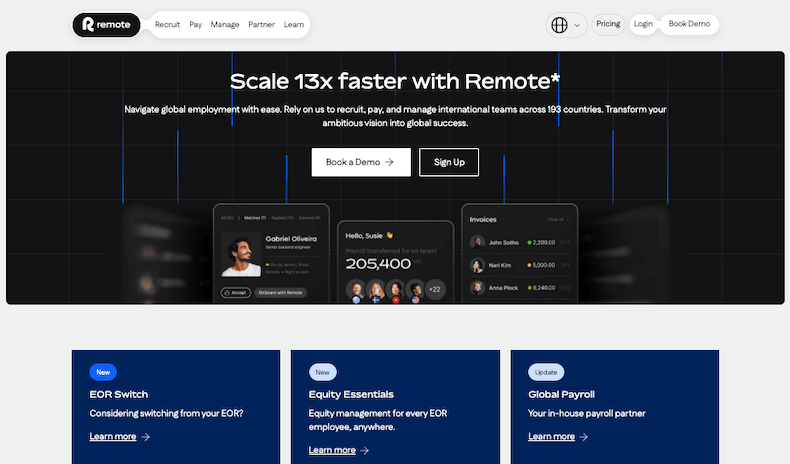
But as hiring increases, gaps can appear. Finance teams want clearer reporting. Legal wants defined compliance responsibilities. HR seeks a smoother onboarding experience. That’s when platforms like Deel, Remote, or Globalization Partners start to look appealing, each offering different strengths for different needs.
Think about the future as well as today. Switching EORs is possible, but it’s work. If you expect to hire in ten countries over the next year, or plan to convert contractors to full-time employees, choosing a provider that can scale with you avoids headaches later.
What to consider when evaluating Foxhire alternatives
Support is often underestimated. Every EOR promises “dedicated assistance,” but the real test comes when problems arise, like a payroll error before a holiday, a contract clause needing urgent clarification, or questions from local authorities. Ask how these situations are actually handled.
Pricing deserves close attention. Flat fees can seem appealing until you discover what’s excluded. Some providers charge extra for off-cycle payroll, amendments, or country-specific compliance work. Others bundle everything but have a higher upfront cost. Neither approach is inherently wrong; you just need clarity.
Finally, watch how compliance is explained. Vague or overly technical language is a warning sign. A reliable EOR should clearly outline their compliance practices and responsibilities versus yours. Confusion at this stage usually predicts future headaches.
At the end of the day, choosing between Foxhire and other EORs isn’t about picking the “best” on paper. It’s about finding the one that fits how your company hires, pays, and supports employees across borders. The right choice feels natural, something that works smoothly without constant oversight.